What are Nutrients?
Nutrients are substances found in food that our bodies require to function properly. They provide energy, support growth and repair, and regulate bodily processes. Understanding the different types of nutrients helps us make informed choices about the foods we consume.
Nutrients are broadly categorized into two groups: macronutrients (needed in large quantities) and micronutrients (needed in smaller quantities but essential for health).

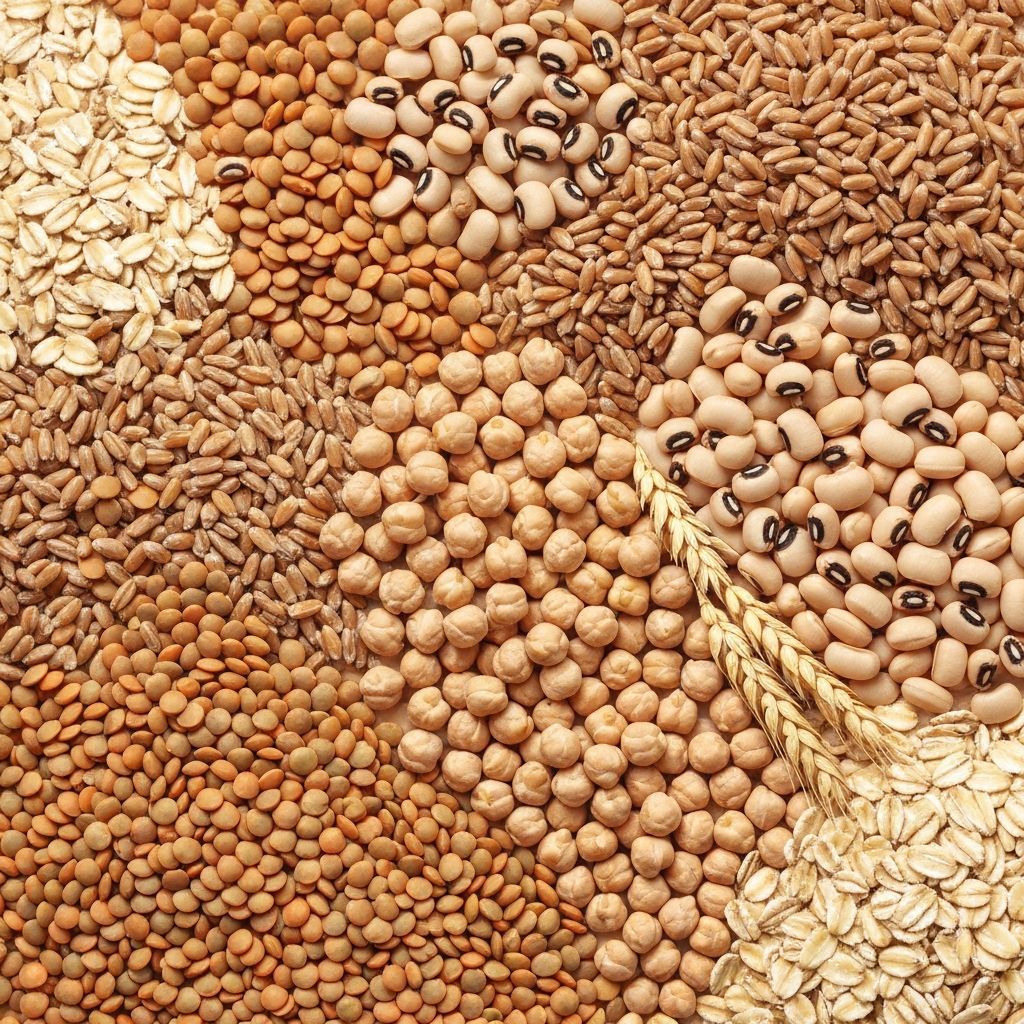
Different foods provide different combinations of essential nutrients
Macronutrients
Proteins
Proteins are organic compounds made up of amino acids. They serve multiple functions in the body including building and repairing tissues, producing enzymes and hormones, and supporting immune function. Good protein sources include meat, fish, eggs, legumes, nuts, and dairy products.
Carbohydrates
Carbohydrates are the primary source of energy for our bodies. They come in two forms: simple carbohydrates (sugars) and complex carbohydrates (starches and fiber). Whole grains, vegetables, and fruits are good sources of complex carbohydrates that provide sustained energy.
Fats
Fats are essential for hormone production, cell structure, and nutrient absorption. Different types of fats have different effects on health. Sources include olive oil, nuts, seeds, avocados, and fatty fish.
Water
Water is vital for all bodily functions including temperature regulation, nutrient transport, and waste removal. Adequate hydration is fundamental to health and involves consuming water and water-rich foods like fruits and vegetables.
Micronutrients
Micronutrients include vitamins and minerals. While needed in smaller quantities than macronutrients, they are crucial for health. Vitamins support various metabolic processes, while minerals maintain bone health, regulate heart rhythm, and perform other essential functions.
Key Vitamins
- B Vitamins: Support energy metabolism and nervous system function
- Vitamin C: Supports immune function and collagen formation
- Vitamin D: Essential for calcium absorption and bone health
- Vitamin E: Acts as an antioxidant protecting cells
Key Minerals
- Iron: Necessary for oxygen transport in blood
- Calcium: Essential for bone health and muscle function
- Potassium: Supports heart function and blood pressure regulation
- Zinc: Important for immune function and wound healing
Balanced Nutrition
A balanced diet includes appropriate amounts of all macronutrients and micronutrients. Different individuals may benefit from different proportions depending on their activity level, age, and health status. A general approach emphasizes whole foods, variety, and moderation.
- Include a variety of foods to ensure diverse nutrient intake
- Choose whole grains over refined grains when possible
- Incorporate fruits and vegetables of different colors
- Include protein-rich foods at meals
- Stay adequately hydrated throughout the day
- Pay attention to portion sizes and eating patterns
Important Note
This article explains general nutritional concepts. Individual nutritional needs vary based on age, activity level, health status, and other factors. For personalized dietary guidance, consult with a qualified healthcare provider or registered dietitian.